
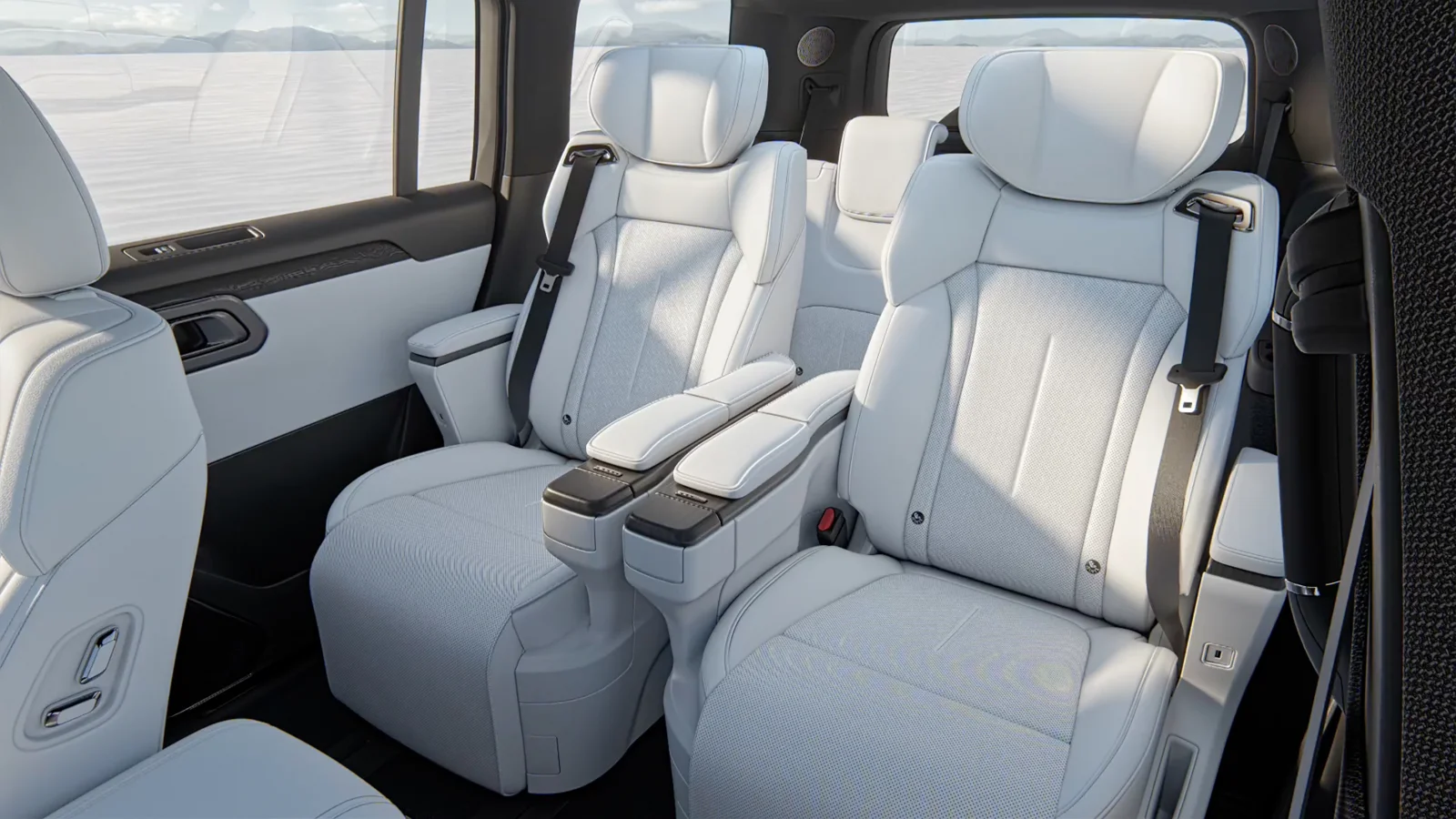
Define the customer assignment before the package
Ask which passenger places remain needed, what cases accompany the clients and which driver position is ordinary. Separate the recurring assignment from a larger occasional booking. The seating foundations keep capacity labels separate from useful occupied evidence. A dealer may choose a comfort package for a wanted task, but professional appearance alone cannot establish suitability. If local operating eligibility affects the assignment, the buyer should confirm it with relevant parties; this vehicle guide does not establish passenger-service permission. Keep actual production, seat arrangement and status with the unit reference. The commercial enquiry can begin with flexible years while retaining hard functional criteria. Do not propose a generic maximum client count from a seating badge without the actual users, load and ordinary access being considered. A precise assignment lets the supplier provide evidence that answers the actual business use.
Keep client seats occupied while the cases are assessed
Retain normal front and preceding-row positions and identify the passengers represented in each demonstration. The adult third-row decision keeps personal comfort and access questions explicit when those places are needed. Add the real cases or clearly labelled representative objects with every required seat available. The occupied luggage review covers opening and useful fit evidence. A folded-row photo cannot fulfil a task carrying clients in that row. Ask about ordinary retrieval and loading order, following applicable instructions rather than treating every apparent gap as an acceptable storage solution. If a smaller case set or assignment is permitted, record that deliberate booking boundary. The resulting proposal should describe the supported combined task, not a favourable passenger scene and a separate cargo configuration that removes the same clients’ places.
Review boarding where the service normally stops
Describe the usual passenger side and space available, including relevant recurring constraints. The boarding review separates personal movement, seated preference and ordinary exit. A seller’s employee in a wide display area cannot approve every client’s access. Keep representative limits and any specific required personal evaluation visible. Cameras can aid driver information but do not create door room. A buyer may deliberately choose another loading or boarding routine, but the final assignment needs to reflect that concession. If a third-row client task is essential, retain appropriate ordinary access under the actual configuration and applicable instructions. Do not suggest unsupported seating arrangements to make a larger booking appear possible. Useful appearance or comfort equipment can be valued after the practical access task is clear, rather than used as proof that every commercial passenger routine is fulfilled.
Confirm the functions and support that business use needs
Identify the wanted seat, cabin, charging or software tasks and demonstrate relevant ordinary methods on the proposed unit. The software review separates receiving access from a seller’s local setup. The seat-function guide retains fitted response and appropriate condition questions. A function that works in one account or reference vehicle cannot prove uninterrupted receiving service. Ask the provider what support is available for the exact battery, range extender and relevant equipment. For used candidates, retain individual findings and available work records; for new sourcing, agree defined status and pre-delivery scope. Do not promise uptime or maintenance savings from broad brand familiarity. A useful client feature cannot clear a material current-condition question. Keep operator preferences, actual support commitments and unassessed concerns identifiable rather than combining them into an unsupported business-ready assurance.
Align the actual supplied car with the assignment
Compare vehicle amount, completed preparation, keys, loose items and delivery boundary with currency and date. Ask the responsible party for applicable support terms, including any stated limits relevant to the intended use. Do not transfer another market’s retail commitment into this offer. The readiness decision ranks actual essential results before optional presentation. For several vehicles, the mixed-layout order review keeps individual assignments and evidence separate. Send a ROX 01 business brief with needed passengers, case set, driver tasks and accepted concessions, avoiding unnecessary client identity information. If a unit changes, review its own relevant practical and condition evidence. The final recommendation should describe the supported assigned service and limitations, rather than imply that every ROX with a particular seat count or richer comfort package is interchangeable across all bookings.
Choose the next action
| Requirement or finding | Buying response |
|---|---|
| Cases need a required seat to fold | The original client assignment remains unresolved. |
| Reference comfort is the main evidence | Confirm actual fitted functions and user tasks. |
| Several cars are supplied | Retain per-unit assignment, findings and finished scope. |
Questions buyers ask
Does a six- or seven-seat label approve any client-transfer task?
No. Define actual clients, cases and access, then assess the offered configuration. Local operating eligibility and permissions require their own confirmation with relevant parties.
Can one well-presented car represent a whole order?
It can illustrate a desired assignment, but each supplied unit needs its own material configuration, relevant findings and acceptance record.
BRING TO YOUR ENQUIRY
Three useful starting points.
- Assigned clients, driver and actual cases
- Ordinary boarding and useful functions
- Per-unit findings, support and completed scope
Model references: ROX 01 global model information and ROX 01 China configuration. Published equipment varies by market and version. Verify the offered vehicle separately.