
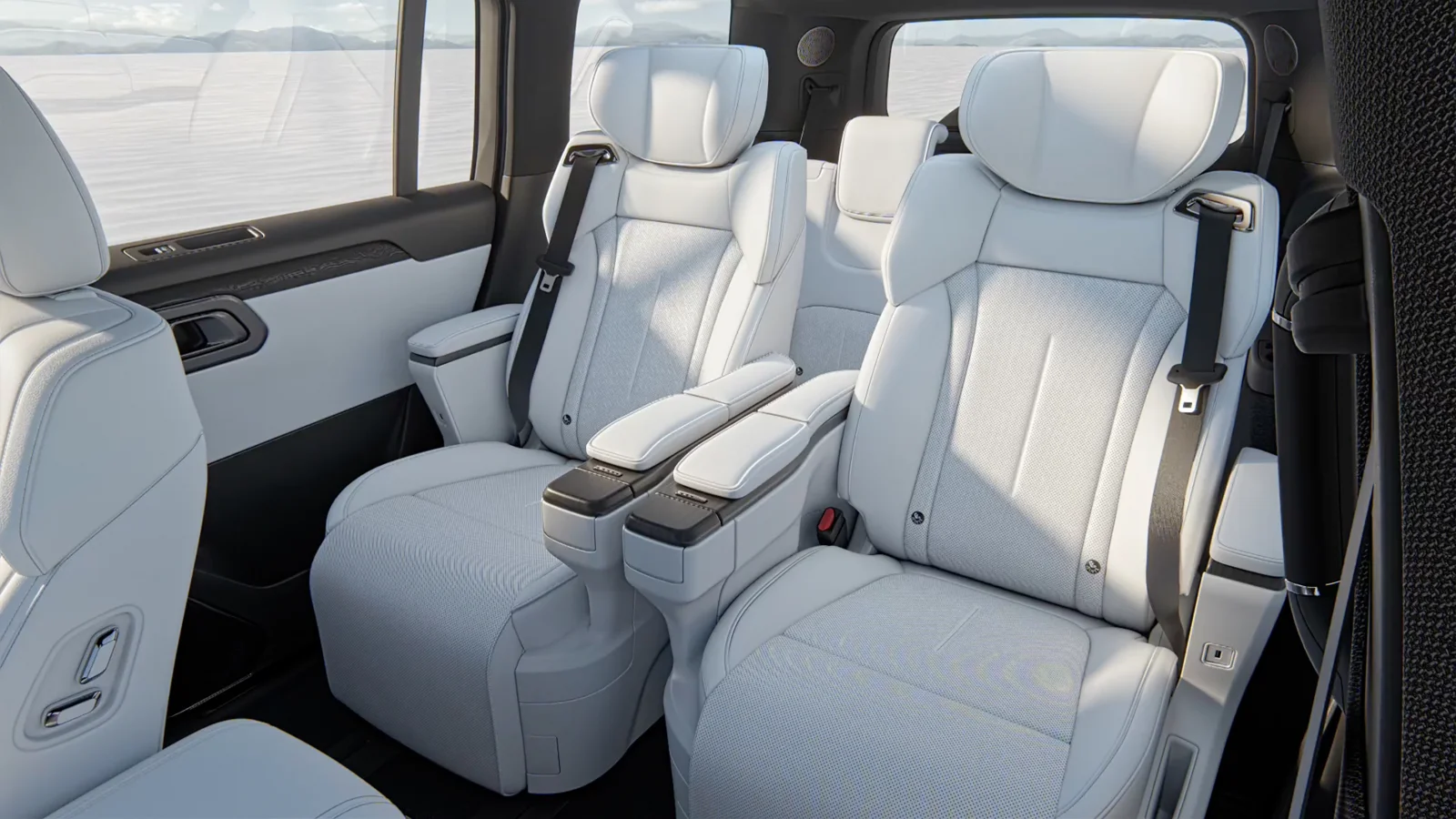
Identify which adults and which trips determine selection
Ask whether the third row is used regularly or occasionally and what the intended people consider essential. A short urban ride and a longer repeated journey can lead to different personal choices. Avoid a universal adult-size threshold from brochure dimensions alone. The seating foundations keep the actual original layout and fitted equipment identifiable. Label representative people and which places they assess, preserving personal-evaluation limits where direct access is unavailable. A seller’s broad comfortable statement cannot approve every receiving passenger’s result. State which positions must remain available and what alternative assignment the customer can accept. If the original brief needs two particular users in the rear, do not demonstrate one smaller person and imply the whole requirement was fulfilled. The dealer needs a defined task before recommending a seating package or higher-priced configuration.
Hold useful positions in the rows ahead
Establish normal driver, front passenger and second-row settings before judging the third row. The driver-and-rear-room review explains why front position and passenger space should remain coupled. A generous rear photo taken after preceding seats moved forward may describe an arrangement the other users cannot accept. Keep each required person and their ordinary setting together. If a comfort mode changes the space, state when it is intended to be used and retain applicable instructions rather than treating a parked relaxation image as the normal occupied trip. The customer can choose another assignment deliberately, but that concession belongs in the final offer. Do not combine incompatible favourable demonstrations into one accepted layout. Useful evidence should show which actual arrangement supports the required third-row task and which personal or configuration question remains unresolved.
Review boarding and leaving as separate tasks
Ask how the intended users reach and leave the third row under the vehicle’s applicable instructions and actual fitted arrangement. Appropriate ordinary demonstrations can clarify the task, but a photograph of someone already seated does not establish access. The passenger boarding review retains personal movement and the usual parking context. Do not suggest unsupported seat or restraint workarounds to make a difficult layout appear acceptable. Label who the demonstration represents and any step not evaluated by the actual user. A household may accept an alternative boarding location or assignment; record it plainly instead of describing the original requirement as unchanged. Access preference is not a technical condition clearance. A movement that appears convenient can still leave relevant seat response or material findings needing independent assessment before the candidate is treated as acceptable.
Keep cases behind the occupied row
List the bags travelling with the adults and preserve all needed places while assessing the load. The occupied boot guide addresses the opening and actual objects separately. A folded-row capacity cannot answer this task. Record dimensions and representative load limits, including whether bags can be ordinarily retrieved under the accepted arrangement. Do not count an unassessed gap around seated users as a safe storage solution. Applicable vehicle load instructions still govern use. If the family chooses a smaller case set for occasional full-passenger trips, record that deliberate variation. A comparison with another vehicle should hold the same people and baggage rather than favour one through a reduced assignment. The purchase recommendation should describe the supported combined journey, not one favourable seating scene and another boot picture that requires the same people’s places to disappear.
Retain relevant findings and the actual accepted compromise
For a used unit, ask for current seating, restraint and disclosed-work findings relevant to the task, with appropriate qualified assessment where material concerns need it. The inspection guide retains scope and limits. A clean surface or comfortable representative person cannot clear unexamined condition. For new sourcing, state the fitted layout and relevant pre-delivery responses to be confirmed. If the proposed unit changes, repeat material configuration and personal-fit evidence rather than approving another car by seat-count label. A comparison such as the L9 offer review should use the same third-row task. Put required adults, normal row settings and recurring bags in a ROX 01 enquiry. The final recommendation can identify a useful accepted concession, but should not claim universal adult comfort or treat an unresolved access requirement as passed through a model-wide dimension.
Choose the next action
| Requirement or finding | Buying response |
|---|---|
| Rear photo uses moved-forward seats | Review normal positions for all required users. |
| Users are seated but access is unshown | Assess ordinary boarding and exit independently. |
| Bags require the third row folded | The original occupied journey remains unanswered. |
Questions buyers ask
Does a six- or seven-seat label prove adult third-row comfort?
No. Confirm the actual configuration and intended users at normal row settings. Representative observations cannot approve every person’s comfort or access.
Can I use folded-row boot space to approve the full-passenger trip?
No. Keep required places available and assess the recurring load, or record an expressly accepted different trip arrangement.
BRING TO YOUR ENQUIRY
Three useful starting points.
- Actual adults and required rear places
- Normal preceding-row settings and boarding
- Recurring bags and separate current findings
Model references: ROX 01 global model information and ROX 01 China configuration. Published equipment varies by market and version. Verify the offered vehicle separately.