
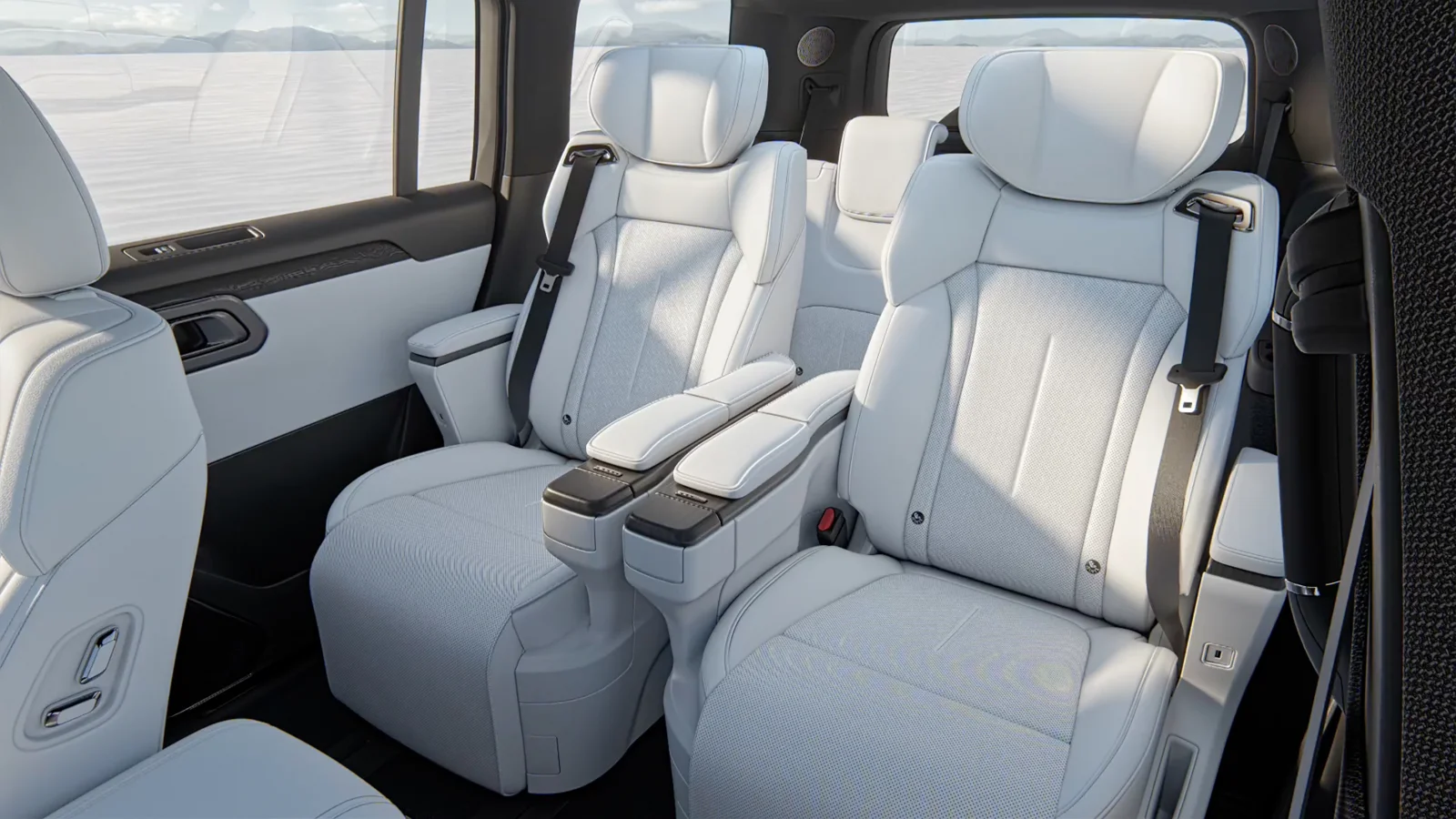
Define the customer’s required functions
List the seat adjustments and comfort features that affect the purchase decision. Identify the passengers and rows concerned rather than requesting every possible feature. A dealer serving family customers may receive different requirements from one preparing a business passenger vehicle. Keep essential tasks distinguishable from optional preferences.
The six-seat and seven-seat comparison addresses capacity and access. This narrower check asks whether the selected equipment is present and operates as required. Do not treat a photograph of two attractive second-row chairs as proof of all fitted functions or the condition of the complete cabin.
Match equipment to the actual version
Request the original configuration record and photographs showing the applicable controls. Keep the actual vehicle identity with the feature list. A global presentation and a China-market candidate can require separate verification; the model badge alone should not supply missing equipment details.
Use the version identification guide to preserve that context. Ask whether any seats or controls were changed during previous preparation. If an alteration is disclosed, have the relevant provider explain its implications. Sourcing the required original arrangement is a different decision from accepting a proposed modification after purchase.
Demonstrate normal operation while parked
Ask the seller or inspector to show the agreed adjustments and fitted comfort functions under normal, appropriate conditions. Record the relevant settings and observations, allowing the customer’s required task to be understood. An unexplained button photograph cannot establish that the associated function operates.
Do not invent a uniform timing or temperature standard for every comfort feature. Have the appropriate assessor interpret concerns such as intermittent operation, unusual movement or fault indications. Keep the scope clear: a function demonstration is useful evidence for that task, but it is not a certification of the entire seat or occupant-protection system.
Review condition and rear-row access
For used stock, examine visible wear, controls and applicable adjustment mechanisms, and refer material concerns to a qualified inspector. Consider ordinary access to the required rear row and the return to the proper seating position. The intended passenger should not need to infer practical access from an open-door publicity scene.
Keep restraint and safety concerns within the professional vehicle inspection. For child-seat use, consult the applicable vehicle and restraint instructions. This comfort review does not prescribe modifications or certify suitability from remote photographs. Record any requirement that still needs proper assessment before acceptance.
Separate completed condition from proposed preparation
If the seller proposes correcting a fault or replacing an item, name the task, provider and completion evidence. Upholstery appearance, electrical function and structural condition can require different assessments. A general cabin refurbishment statement does not identify which issue was resolved.
For new stock, include the required seat checks in the pre-delivery review. New condition does not establish that every requested feature is fitted or that preparation is complete. For used stock, retain disclosed changes and available repair records alongside the final repeat-check result.
Keep seating and luggage acceptance together
Retain the layout, fitted functions, observations and remaining constraints with the vehicle’s handover record. Confirm that the seat positions used for the customer’s journey also leave the needed luggage arrangement. A comfortable folded-seat presentation can answer a different question from a full-passenger trip.
The third-row luggage guide supplies the separate loading task. If a car is substituted, repeat the applicable seat and fit checks rather than transferring another candidate’s result. A clear record allows the receiving dealer to describe actual comfort equipment for new or used stock without promising every feature shown on a model website.
BRING TO YOUR ENQUIRY
Three useful starting points.
- Actual seating layout and fitted feature list
- Normal function demonstrations and qualified findings
- Missing items, preparation and final acceptance results