
Keep T2 and the offered original application separate
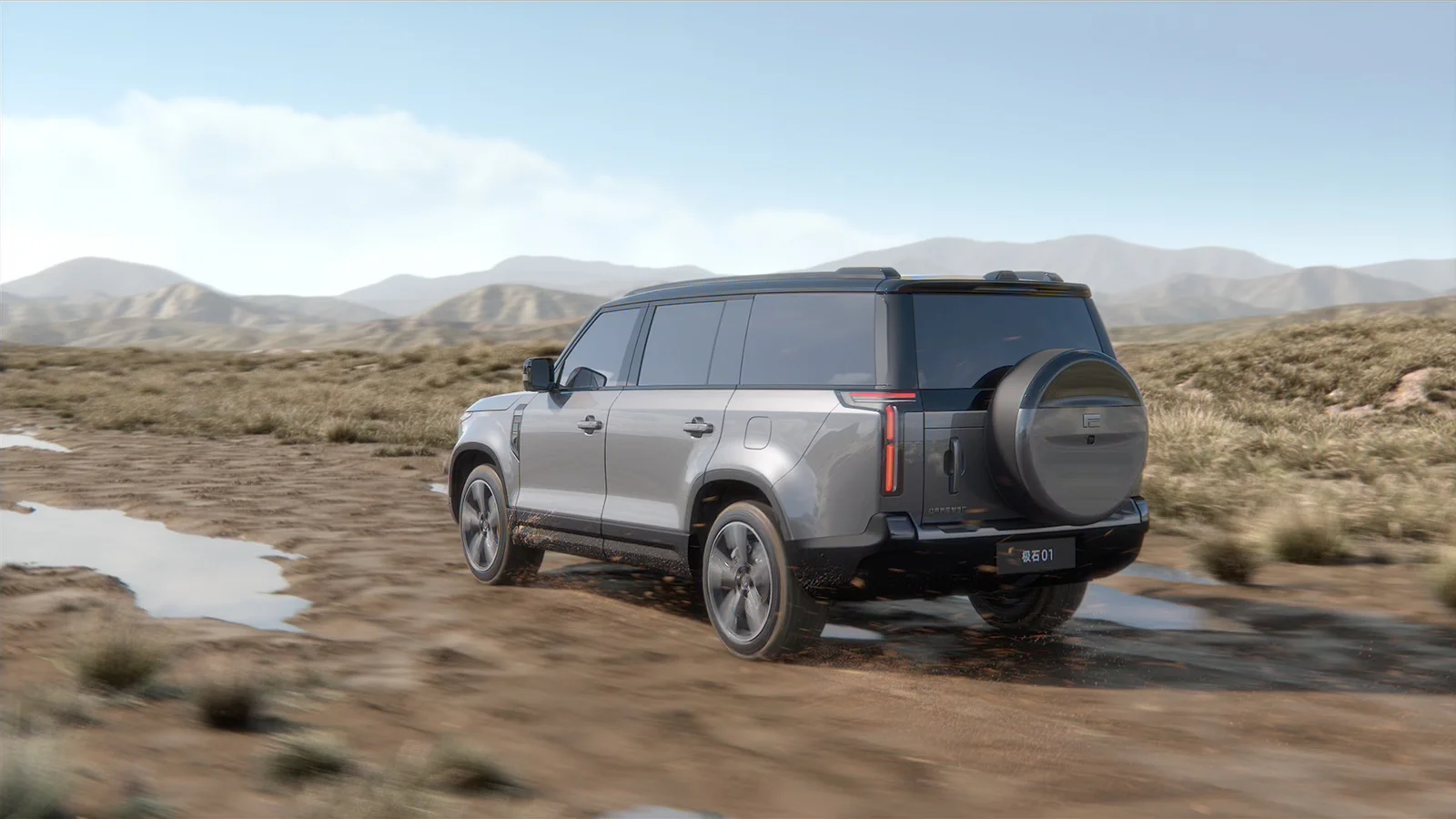
Jetour’s global site presents T2 and separately names T2 i-DM. Those descriptions require their own market and application context, rather than a blended specification for every Traveller or T2 offer. Ask for the original designation, manufacturing information and installed powertrain. The ROX identity guide retains equivalent detail on the other candidate. Do not infer that a familiar English name establishes the exact China configuration, passenger arrangement or support. Keep photographs and records attached to individual unit references. If the buyer accepts several energy routes or production periods, state that flexibility before selecting by amount. A similar silhouette is insufficient evidence that one proposal can replace another without review. The shortlist should identify what each actual car is, its status and the material fields still awaiting confirmation instead of silently filling gaps from the closest-looking brochure.
Compare the passenger assignment that must remain available
Record the normal driver, front passenger and every required rear user, then add the recurring luggage. The ROX seating guide keeps capacity, access and personal observations separate. A T2 proposal needs its own task evidence. If the customer requires a seating arrangement the actual alternative does not provide, that is an eligibility question before an equipment premium. Do not hide the difference behind broad SUV or travel descriptions. Label representative people and untested objects, keeping normal front settings throughout the comparison. The third-row adult review helps establish a ROX task that may determine selection. A customer can accept fewer passengers for a different assignment, but the concession should be deliberate and recorded. One attractive configuration cannot fulfil another by moving a required person out of the comparison unnoticed.
Value accessories without approving a scene
Ask which loose or fitted equipment actually comes with each car and what ordinary task it is meant to support. The ROX accessory inventory separates items from staged reference scenes. A roof or camping package can appeal personally without establishing every intended terrain, load or power use. Application-specific suitability, relevant instructions and competent advice where needed remain distinct. The camping-package value review asks whether the confirmed items earn their amount after the passenger and journey brief is answered. Keep proposed accessories separate from currently supplied ones, and retain relevant condition and completeness findings on used equipment. Outdoor photographs can explain preference, but cannot approve capability or show that an offered unit includes all pictured items. Both cars need an itemised record rather than a general expedition-ready label covering unassessed functions or absent equipment.
Retain energy and receiving support independently
Identify installed systems and practical replenishment for each actual route. The ROX powertrain foundations keep battery specification and range-extender findings distinct. If the T2 application differs, ask its own relevant service and charging questions instead of treating familiar energy wording as compatibility. Retain observation conditions, current findings and available work records. A new proposal needs supported status and defined pre-delivery scope, while a used one needs individual history and assessment limits. Ask receiving providers what they can support on the exact applications, including optional equipment where relevant. Do not borrow another market’s warranty or calculate fixed ownership savings from unlike range presentations. An appealing accessory benefit cannot clear a material battery, body or mechanical concern, and a working session cannot approve every future receiving setup. Keep each task within its supported evidence boundary.
Choose the eligible prepared proposal
Align currency, date, vehicle amount, completed work, supplied items and delivery scope. A cheaper alternative can be a sensible choice for a smaller accepted assignment, but should not continue to imply the original passenger task. A ROX can earn value by fulfilling required places or useful equipment, without establishing a universal travel advantage. The quote review retains those inclusions and pending costs. Ask the buyer which supported benefit matters and what concession is permitted. Record the original Jetour application and accepted differences in a ROX 01 enquiry. If a replacement unit is proposed, repeat material identity, condition and practical evidence. The final recommendation should explain why the actual candidate meets the defined brief, rather than treating outdoor style, a familiar translated badge or a rich staged package as a complete buying result.
Choose the next action
| Requirement or finding | Buying response |
|---|---|
| Passenger requirements differ | Resolve eligibility before valuing optional travel equipment. |
| T2 powertrain is unconfirmed | Retain the original application rather than a blended badge claim. |
| Accessories are pictured | Confirm actual inclusion, condition and supported task. |
Questions buyers ask
Does T2 wording prove every offered Traveller has the same setup?
No. Confirm the original model, production and installed application. Regional and differently named energy presentations cannot establish one universal offered specification.
Can I compare the cars if they serve different passenger counts?
Yes, when the buyer deliberately accepts the different assignment. Record that concession instead of implying the alternative fulfils an unchanged seating requirement.
BRING TO YOUR ENQUIRY
Three useful starting points.
- Original T2 and ROX configurations
- Required passenger eligibility and bags
- Itemised equipment and receiving support
Relevant references: Jetour global T2 reference; verify the source-market candidate independently, Jetour global model lineup; distinguish separately named applications. References describe their stated market or technology; verify the offered vehicle separately.