
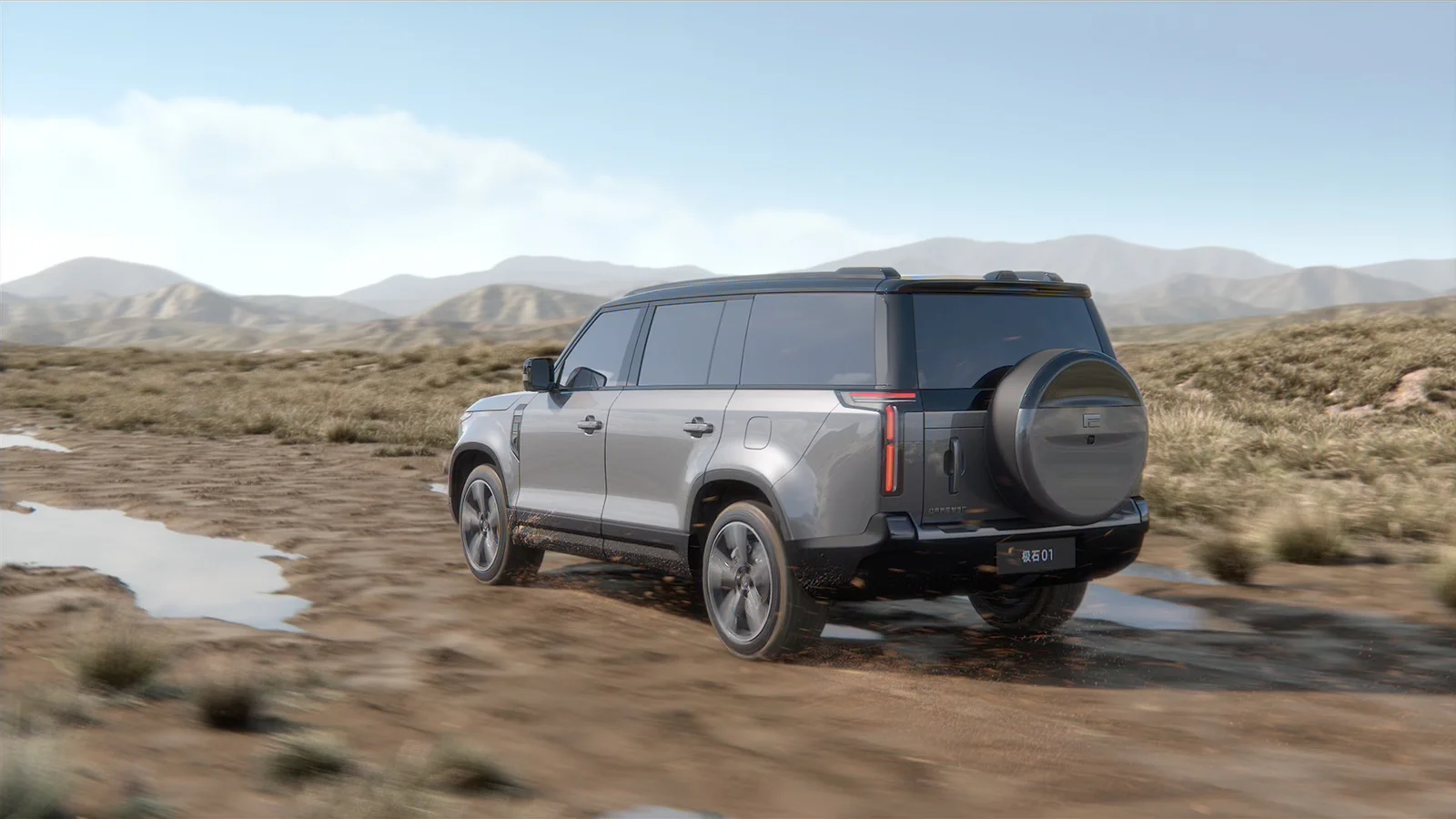
Confirm the two actual battery applications
Retain original configuration, production information and supporting records on both offers. The powertrain guide distinguishes battery specification, range labels and diagnostic evidence. Do not blend current China and overseas reference figures into one universal capacity or infer the installed application from an exterior photo. Ask the supplier to reconcile a specification that differs from the candidate record. Seating, period or useful equipment can also change between proposals, so identify those separate differences. New and used status remain explicit. A comparison of battery premiums requires two identifiable eligible cars, not a current large-battery brochure against an unspecified older unit. Keep unconfirmed fields visible. The customer should understand what the added specification actually describes before assigning it a practical benefit or treating the entire amount difference as payment for extra battery capacity.
Describe the regular trips and replenishment routine
Ask which recurring journeys need to remain practical and where compatible replenishment is actually available. A short-trip label alone hides different frequency, loading and opportunity to charge. The home charging plan addresses equipment and appropriate receiving setup; this article evaluates the buying choice. If regular home access is unavailable, preserve that limit rather than assuming a larger battery solves it. The no-home-charging decision considers the permitted route and practical alternatives. Record useful observed journey context where available without publishing a guaranteed electric distance for every driver. A buyer who can replenish routinely may value a specification differently from someone relying on an unconfirmed occasional site. The upgrade question is how much supported flexibility the actual customer wants, not whether larger is automatically better on every calendar day.
Keep range conditions and charging time separate
Use labelled range references and actual observations within their stated conditions. Winter, load and use questions require context; the winter journey guide provides that separate planning foundation. Do not convert a percentage or brochure figure into assured distance for the receiving task. Where charging sessions influence the choice, retain actual ports, setup, initial conditions and measured scope. The charging-time review explains why a bounded session is not universal replenishment performance. A larger capacity claim cannot establish equal session time or compatibility with the customer’s equipment. Appropriate application evidence remains necessary. If one candidate’s practical benefit is unrepresented, keep it unconfirmed rather than subtracting unlike references into a daily advantage. The dealer can explain why an upgrade might be useful while preserving the evidence limit and what still needs to be established on the actual cars.
Review health and service confidence independently
For used proposals, obtain relevant report context, appropriate current findings and available history for each battery application. The battery health report guide keeps assessed scope, unit reference and limits separate from a capacity label. A larger nominal specification does not prove better current condition, and a favourable health metric does not clear every damage consequence. Retain appropriate assessment of reported concerns and support from the receiving provider for the exact installed systems. New sourcing needs defined status and relevant pre-delivery checks rather than blanket battery readiness from unused wording. Keep the range extender’s service questions independent as well. A supported charging observation cannot approve every material or mechanical item. The comparison should retain which unit has clearer evidence and what remains unanswered before the customer credits the optional specification benefit as part of the accepted purchase.
Value extra flexibility within the finished offers
Align vehicle amount, completed preparation, keys, charging equipment and delivery boundary, with currency and date. Record differences due to seating, period, condition or useful features separately from battery specification. The quotation guide keeps unpriced items and scope changes visible. A buyer whose regular task is supported by either proposal can deliberately choose the simpler eligible car, while another may value the evidenced extra flexibility. Do not publish a fixed break-even promise or assume a resale premium. Record the actual reason and conditions in a ROX 01 brief with regular use, confirmed charging access and accepted applications. If a substitute is proposed, review its own specification and relevant health evidence. The final recommendation should concern the supported customer benefit and actual finished scope, without treating a capacity figure as a guarantee of daily distance, condition or ownership economics.
Choose the next action
| Requirement or finding | Buying response |
|---|---|
| Battery record is ambiguous | Confirm the original installed application first. |
| Regular charging is unconfirmed | Keep practical access unresolved despite extra capacity. |
| Premium includes other differences | Align status, seating and preparation before valuation. |
Questions buyers ask
Does the larger battery guarantee better condition or daily range?
No. Specification, health evidence and represented use answer different questions. Keep actual report context and journey conditions visible on both candidates.
Can short trips make an upgrade unnecessary for every buyer?
No universal conclusion follows. The choice depends on required journeys, compatible replenishment, useful flexibility and the actual accepted price and condition difference.
BRING TO YOUR ENQUIRY
Three useful starting points.
- Identified battery applications on both offers
- Regular journeys and confirmed replenishment
- Report context and aligned finished difference
Model references: ROX 01 global model information and ROX 01 China configuration. Published equipment varies by market and version. Verify the offered vehicle separately.