
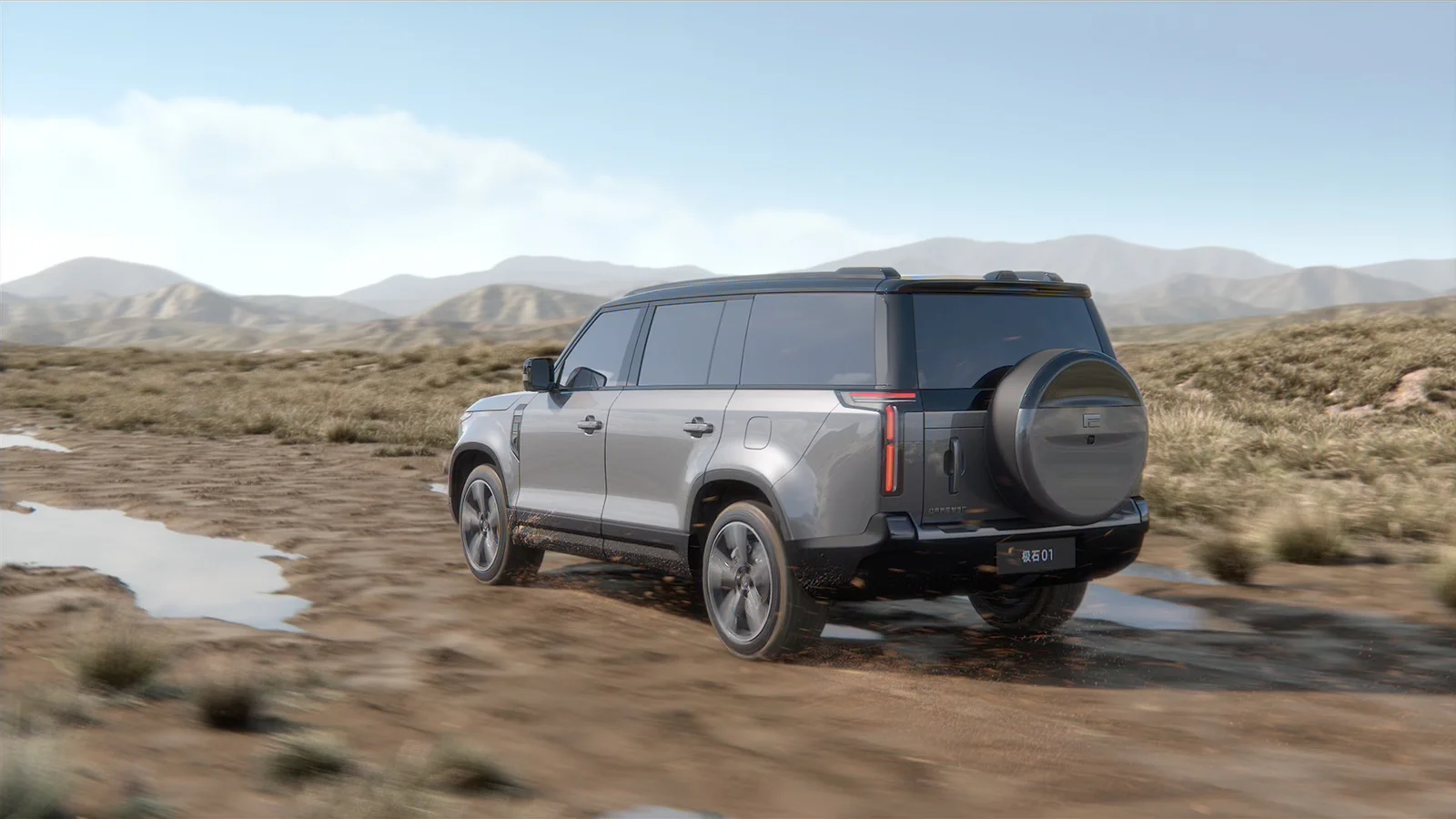
Match the report to the candidate
Ask for the vehicle reference, assessment date, provider and relevant equipment or method. Keep the complete permitted report rather than a cropped headline. A document without a reliable vehicle link can describe another unit or an earlier condition and is a poor basis for comparing offers.
The battery and powertrain identity guide keeps the original version record alongside the assessment. Do not borrow a capacity specification from a different version to calculate an apparent result. If required identification is absent, ask the provider to resolve it before calling the report vehicle-specific evidence.
Understand what the reported figure measures
Have the qualified provider explain any reported capacity or health estimate and its scope. Ask whether it is a diagnostic estimate, an observed operating result or another measure. These descriptions are not interchangeable, and a remaining charge percentage is different from an assessment of usable battery capacity.
Avoid inventing a universal pass percentage for every used ROX 01. The buyer should understand what the provider can establish, the relevant conditions and any limitations. A precise-looking number does not remove uncertainty when the method, source or interpretation is missing from the sales record.
Read findings beyond one headline number
Request interpretation of relevant findings, warning history and recommended further assessment. Keep observations distinguishable from diagnosis and completed repairs. A favourable headline should not conceal an unresolved issue elsewhere in the report, while a recorded event needs context before it is treated as a current fault.
Use the overall inspection record to connect the battery assessment with current vehicle condition. Do not direct a seller to open high-voltage components or improvise testing for a photograph. Let the appropriate workshop establish the assessment method and explain its result for purchasing purposes.
Keep damage and history as separate evidence
Review available battery-related repair history, disclosed events and relevant maintenance records. Check whether the report addresses those questions or only a narrower diagnostic task. A clean diagnostic result cannot automatically establish that every concealed area or prior event was assessed.
The underbody and damage guide covers the physical review. Keep its findings beside the battery report rather than replacing one with the other. Missing documents should be identified as missing evidence; they do not prove a specific failure. Conversely, one repair invoice does not certify the condition of every related component.
Connect the report with actual use requirements
Consider whether the available evidence answers the buyer’s intended use and acceptance standard. Relevant charging observations and journey needs can add context, but they should not be presented as identical to a capacity assessment. Temperature, starting conditions and route demands affect how useful a short operating demonstration is to a customer.
The winter journey planning guide explains why a general range reference is not a used-car health guarantee. Ask the qualified provider to identify any material unanswered question. Resolve it through appropriate assessment or a clear condition in the offer rather than using a brochure electric-range number as reassurance.
Agree what closes the purchase decision
State the evidence required, the provider responsible for any further work and the findings that would prevent acceptance. If the seller proposes repair or additional assessment, distinguish proposed work from a completed satisfactory result. Preserve the final report and its limitations with the individual vehicle.
Use the quotation checklist to retain that agreement. New stock also needs appropriate delivery checks, but a new label and a used-car health report are different evidence routes. The dealer should describe the established condition accurately without promising future capacity, transferable warranty benefits or an unsupported battery-life prediction.
BRING TO YOUR ENQUIRY
Three useful starting points.
- Vehicle-linked report and assessment method
- Qualified interpretation and stated limitations
- Related history, condition checks and unresolved findings