
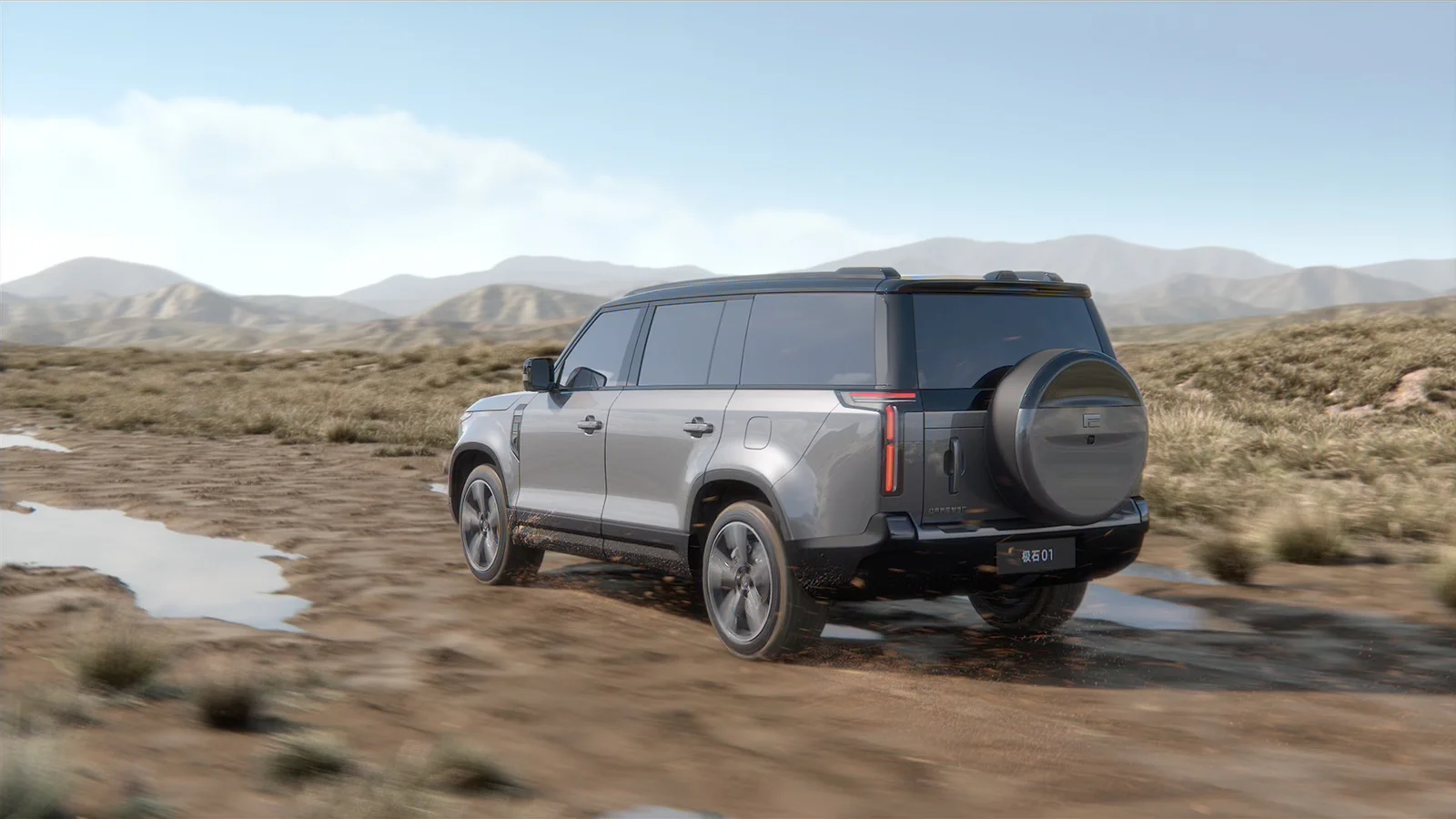
Identify the battery and the meaning of the range claim
The ROX 01 identification guide keeps battery and seating versions tied to production information. Ask which configuration the offered car actually has and what a quoted range figure measures. A combined-distance claim should not be presented as the distance available from the battery alone.
Preserve the test cycle and reference conditions where manufacturer information is used. Do not apply a figure from another version to an earlier used candidate or turn a seller’s short demonstration into a general winter result. If the relevant evidence is missing, keep that uncertainty visible in the purchase and operating discussion.
Describe the journey that must remain practical
Ask for the ordinary route, trip length, passenger and luggage use, parking situation and expected cold-weather conditions. A daily journey with dependable charging at both ends differs from an occasional trip through an area with uncertain replenishment. The car should be assessed against the customer’s actual requirement rather than a generic winter scenario.
Include waiting, detours and the way the vehicle will be parked between trips where material. Do not assume every trip begins with the same battery state or preparation. A realistic route discussion can reveal that access to charging matters more to this buyer than a small difference between headline battery-range figures.
Use observations without overextending them
Where a relevant driving record is available, keep the vehicle identity, start and finish conditions, route and measurement method together. Explain whether the observation involved battery-only use or included fuel operation. A distance achieved in one set of conditions should not be described as a dependable minimum in every colder environment.
If only dashboard estimates are available, label them accordingly. Do not infer battery degradation from one cold-weather display or promise a fixed recovery when temperatures rise. Where condition is in question, request an appropriate professional assessment separately; route planning is not a substitute for a battery inspection.
Build a route margin without inventing a model guarantee
List the planned stops and practical alternatives and compare them with suitable evidence for the intended conditions. Do not use all of a nominal range figure as the required travel distance with no allowance for uncertainty. The margin should be informed by the actual route and operating guidance, not an arbitrary universal reduction rule.
For a dealer, show which assumptions drive the plan and what changes would require a different stop. If charging access becomes uncertain, reconsider the journey rather than treating a map listing as guaranteed availability. Keep the customer’s contingency understandable instead of hiding it behind an unsupported all-weather-range statement.
Check the replenishment time as well as distance
The DC charging-time guide explains why a peak-power screenshot does not establish the time required for the customer’s stop. Confirm the actual equipment combination and relevant session evidence. A journey can be possible in distance terms while being inconvenient because the assumed charging visit is unrealistic.
Keep queueing, access and setup outside any narrowly defined energy-transfer interval when discussing total stop time. Follow the vehicle’s applicable instructions for cold-weather use and charging. Do not propose improvised heating or electrical changes to reproduce a favourable number shown under different conditions in a manufacturer or seller demonstration.
Keep fuel availability and cost visible
An extended-range vehicle still needs an appropriate operating plan for its complete system. Verify relevant fuel and service requirements through the actual vehicle guidance and suitable providers. Do not treat the range extender as a reason to ignore battery condition, charging compatibility or an unresolved mechanical concern in the offered car.
The fuel and electricity budget counts both energy inputs when they are used. Winter planning should not advertise a low electricity-only cost while excluding fuel purchased on the same trips. Retain the assumptions so the customer can revise the budget using representative local operating records after delivery.
Give Panda a winter-use acceptance brief
State the destination, ordinary winter route, required seating, acceptable battery versions and charging situation. Identify mandatory evidence separately from preferences. This allows suitable candidates to be considered without asking the supplier to guarantee one battery-only distance for every journey or to infer a particular version from an exterior photograph.
Keep the final configuration and operating assumptions with the selected vehicle. Revisit the plan if the route, equipment or candidate changes. The useful outcome is a practical and qualified journey plan supported by identifiable evidence, not a promised winter percentage or combined-range headline that obscures how the customer will actually travel.
BRING TO YOUR ENQUIRY
Three useful starting points.
- Actual battery version and relevant range reference
- Normal winter route, load and replenishment options
- Clearly labelled assumptions and alternative stops