
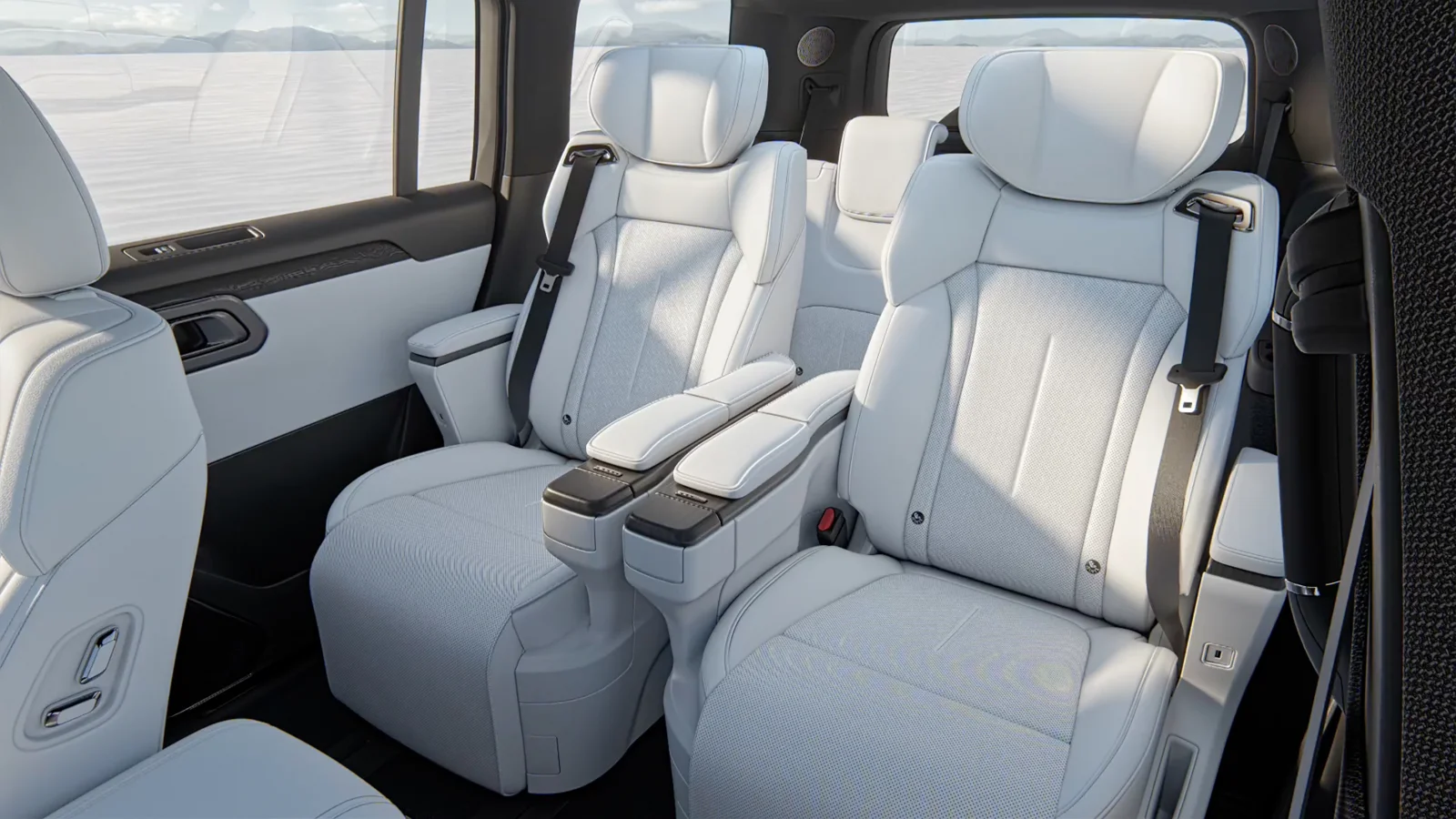
Describe the useful position the driver needs
Ask which posture, reach, control method or visibility preference determines acceptance. Avoid a universal maximum height or promise drawn from a large-SUV label. Different people can need different settings even at similar heights. The seat-function guide identifies actual fitted adjustments and response. A reference interior does not establish every offered configuration’s range or disclosed changes. Where the buyer cannot evaluate the candidate directly, request representative observations with clear limits and retain their personal decision separately. Keep any particular constraint explicit without collecting unnecessary sensitive records in an initial enquiry. The dealer can organise useful evidence without declaring suitability on the person’s behalf. A richly specified seat may provide helpful options, but the actual useful position needs its own answer before the package earns value.
Confirm movement and personal fit separately
Ask for ordinary supported adjustment on the actual candidate and record the position relevant to the brief. A control moving through its range does not establish the intended driver’s posture or comfort. Identify the fitted seat, roof and nearby controls, including any disclosed alteration. Do not suggest improvised modifications as a general solution to limited room. Appropriate competent advice may be needed for particular requirements or changes. The comfort premium decision separates an essential achieved adjustment from optional modes and appearance. If another regular driver uses the car, keep their position task separately rather than transferring the first result. A demonstration can establish movement under stated conditions while personal evaluation remains unconfirmed. Record both honestly. The candidate should be valued for the actual arrangement it supports, not for a richer label that implies every taller person will use it equally well.
Retain every required rear user behind normal settings
Keep the driver’s ordinary position while reviewing the second-row passenger and any required third-row assignment. The seating foundations preserve those coupled tasks. A rear photograph with the driver’s seat moved forward answers a different question. Do not combine it with the useful driving position and call the whole family layout accepted. Label representative occupants and which places remain untested. The third-row adult review adds the normal settings in the row ahead rather than assuming three rows remove all constraints. The household can choose a different assignment deliberately, but that concession belongs in the brief. Add recurring bags without removing a required place. Useful evidence should describe one normal occupied trip, leaving personal-fit limits visible instead of claiming every passenger arrangement works because the exterior is large.
Review ordinary boarding at the real location
Ask where the driver enters and what usable door movement is available beside the ordinary obstruction. A full opening in a display area may not represent a narrow home space. The city-garage review separates parked outline and manoeuvre from personal access. A good seated result cannot automatically approve entry or exit. Where a specific movement matters, retain direct evaluation or suitably labelled representative evidence and its limits. Parking assistance cannot create physical room for the person. Do not recommend unsupported handholds, seat changes or another workaround to make the task appear passed. A buyer can accept another boarding routine, but the resulting proposal should describe that deliberate change. The purchase comparison needs both the useful interior position and the ordinary movement outside it, rather than allowing one favourable observation to erase the unresolved other requirement.
Retain condition and the actual final arrangement
For used proposals, ask for relevant current seat and disclosed-work findings with appropriate assessment where material concerns need it. Personal comfort cannot clear unexamined mounting or repair questions. New sourcing needs the wanted actual adjustment and relevant pre-delivery response check. If work changes the evaluated arrangement, update material observations before carrying the result into the final offer. A comparison such as the L8 candidate review should hold the same driver and rear task on both units. Put useful position, regular passengers and normal access requirements in a ROX 01 brief. Another car needs its own fitted arrangement and findings even when the label matches. The recommendation should explain what supports this person’s choice, which concession is accepted and which evaluation remains unresolved, without a universal tall-driver suitability or seat-package guarantee.
Choose the next action
| Requirement or finding | Buying response |
|---|---|
| Adjustment is shown but position is untested | Retain the actual person’s useful-fit question. |
| Rear room uses another front setting | Resolve the combined normal arrangement. |
| Ordinary door clearance is limited | Assess entry and exit at the relevant location. |
Questions buyers ask
Does a large exterior prove a tall driver fits comfortably?
No. Identify the actual seat and roof context, useful position and ordinary access. A category or dimension cannot establish every individual’s preferred result.
Can normal front comfort and rear room be assessed separately?
They need separate observations within the same required settings. Do not join incompatible favourable configurations into one approved occupied layout.
BRING TO YOUR ENQUIRY
Three useful starting points.
- Intended driver’s useful position
- Rear assignments under the same settings
- Normal entry and relevant current seat findings
Model references: ROX 01 global model information and ROX 01 China configuration. Published equipment varies by market and version. Verify the offered vehicle separately.