
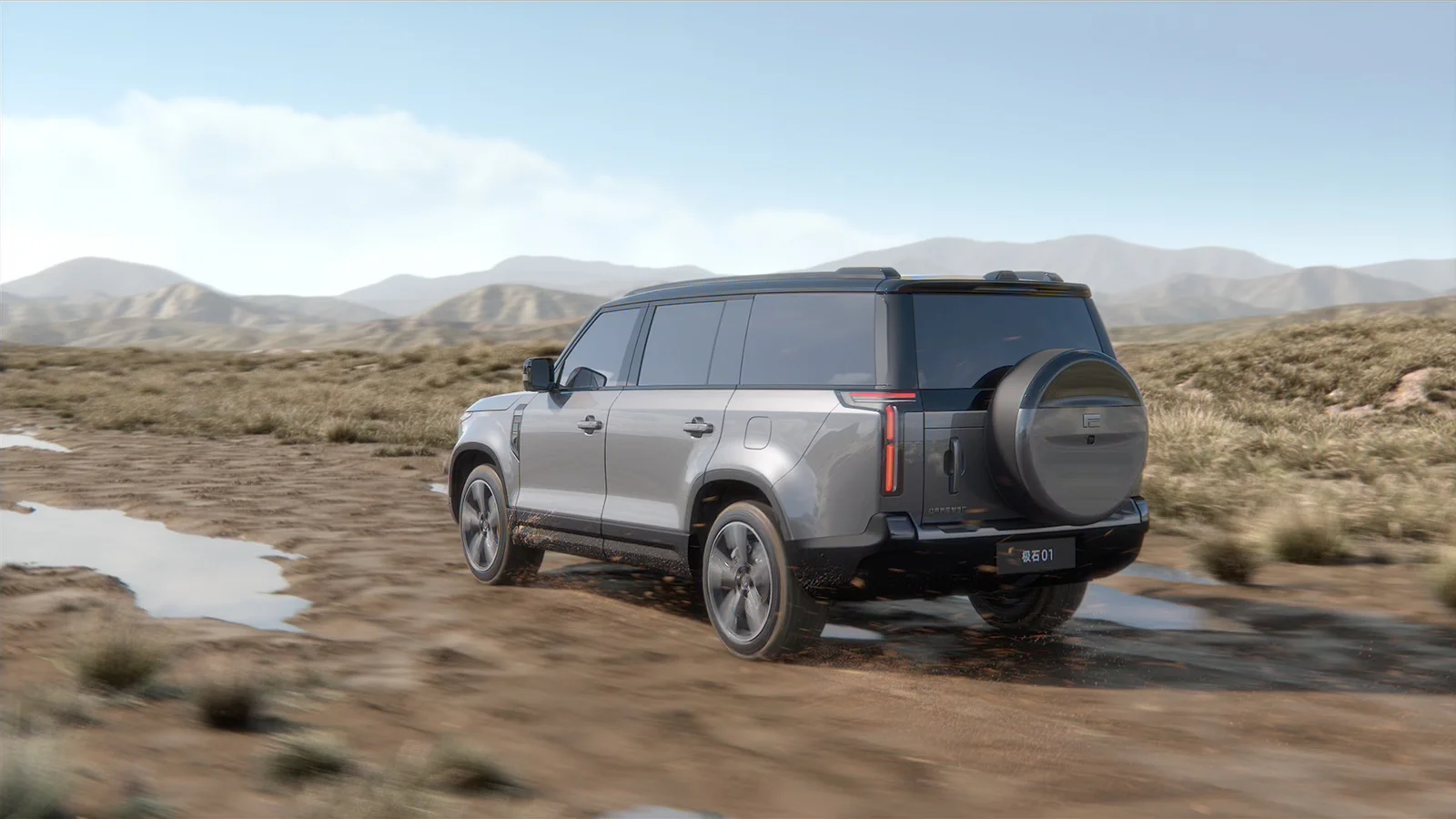
Clarify what new means in this particular offer
Request the build information, displayed mileage and registration position, along with any disclosed demonstration or prior use. The new-versus-used buying guide separates condition categories; this review focuses on the evidence needed for a stock vehicle. Availability now does not establish when it was built or how it has been stored.
Keep the source description and supporting documents together. A new-car label should not replace an explanation of export or registration status relevant to the transaction. If the customer requires a particular status, state that requirement before accepting the candidate, and ask for clarification where the available evidence does not support the wording used in the quotation.
Ask for available storage and preparation records
Establish where and for approximately how long the car was held, what records are available and what preparation is proposed before delivery. Storage duration on its own does not diagnose a defect. It helps identify sensible questions for the qualified provider and distinguishes documented care from assumptions based on the vehicle looking unused.
Request a pre-delivery inspection appropriate to the actual version and applicable instructions. The buyer should receive the scope and findings rather than prescribe an improvised battery procedure. If history is incomplete, keep that limitation visible and ask how the current assessment addresses the purchase requirements without pretending to reconstruct events for which no records exist.
Read battery observations in their proper context
Ask the provider to identify what battery-related checks are included and how findings are documented. A dashboard state-of-charge photograph records a momentary condition; it does not by itself establish long-term capacity or storage treatment. Likewise, a general ready-for-delivery statement gives little detail about the actual checks completed on the offered car.
Any concerns or diagnostic findings should be interpreted by qualified personnel, with further work identified where needed. Keep a current assessment separate from any guarantee or warranty offered commercially. A favourable check is useful evidence within its scope, but the offer should not turn it into an unsupported promise about future battery performance in every destination and climate.
Demonstrate the charging arrangement you need
Identify the intended charging environment and ask for relevant port, equipment and functional evidence. Where a fast-charging demonstration is requested, the charging-time test guide explains why starting charge, ending charge and test conditions matter. A single peak-power reading cannot stand in for a documented charging session or universal replenishment time.
Record any differences between the demonstration arrangement and the customer's planned destination setup. Compatibility that remains unverified should stay an open purchasing question. Keep supplied charging equipment on the item list, distinguishing what has been tested from what is merely proposed, and avoid describing the vehicle as compatible everywhere because it charged successfully at one location.
Review physical condition and included equipment
New status does not remove the need to check the vehicle's present appearance and supplied items. Request dated condition photographs and a record of any preparation or disclosed repair. Review the cabin, exterior and other areas within the inspection scope, and agree how a material finding will be addressed before acceptance.
Count keys and record accessories against the actual offer. Reference photographs may show optional items or a different configuration, so use identified vehicle evidence for delivery decisions. If an item is missing or scheduled to arrive separately, document that arrangement and its commercial treatment rather than assume it will be included because similar equipment appears in marketing material.
Confirm software and user access before handover
Use the software and account review to state the functions needed by the receiving customer. Ask what can be demonstrated now, what requires an account and what support is included. A powered-on screen establishes less than a successful demonstration of the required function under the stated conditions.
Record the language, software information and relevant access arrangements for the supplied car. Future updates or services should not be promised without a clear basis in the offer. Where an account-related step remains outstanding, identify it before delivery so the customer does not discover that an essential ownership function depends on an unresolved action by another party.
Close the PDI record against the final vehicle
Send Panda a short acceptance list with vehicle status, charging needs, essential functions and the evidence required after preparation. Separate completed checks from scheduled work. An item awaiting a result should remain open, with the next step identified, rather than disappear under a broad statement that the car will be fully checked before shipment.
Before handover, match the final vehicle identity to the accepted offer, inspection record and included equipment. Preserve the remaining limitations and any agreed follow-up. If a substitute is proposed, repeat the relevant checks for that car; a PDI record belongs to the identified vehicle, even when two stock cars share the same model designation and colour.
BRING TO YOUR ENQUIRY
Three useful starting points.
- Vehicle build and registration information with storage status
- Version-specific pre-delivery and charging evidence
- Keys, equipment, account access and outstanding preparation items