
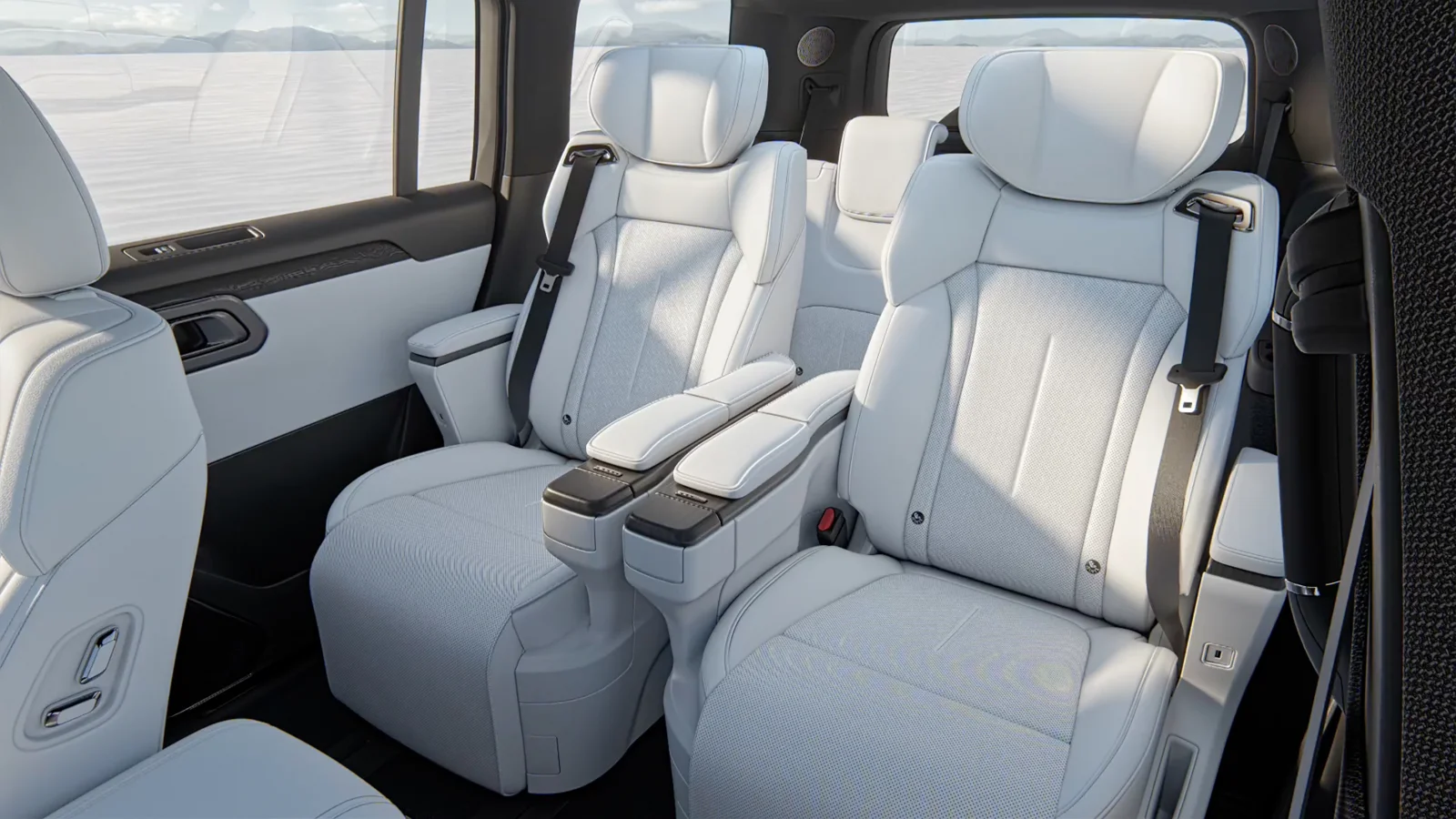
Establish what the status descriptions actually mean
Ask what the supplier means by unused and demonstrator, with available production, registration and previous-use records attached to each candidate. The condition-route guide retains those separate requirements. A dashboard reading does not establish complete prior use or prove an unused assignment. If the original buyer brief excludes demonstration use, decide whether that criterion can change before the amount drives negotiation. The customer can consider a supported concession without treating demonstrators as unsuitable universally. Retain declarations separately from documented information and leave gaps visible. A more richly equipped car should not be described under an unsupported status merely because it has travelled little. The dealer needs the actual eligibility decision and evidence boundary first, so the following comparison evaluates two permitted routes rather than quietly weakens the customer’s original new-car requirement.
Assess current condition without assuming the use result
Ask what the known demonstration pattern involved and which relevant records are available, then obtain current findings with appropriate assessment scope. Short or repeated demonstration use can motivate questions, but does not itself establish a fault or complete health result. The inspection guide separates observations, qualified findings and unassessed areas. For the unused alternative, clarify storage and relevant preparation rather than assuming status eliminates every condition question. Battery, charging response and range-extender evidence remain independent items. A clean cabin or low displayed distance cannot clear material concerns. Avoid presuming all demonstrators were mistreated or every unused proposal is ready. The comparison should state what is actually supported on each unit and which acceptance questions remain unresolved, rather than replace individual findings with a judgement about the status category.
Value the attractive functions through actual response
Identify the added useful adjustments or other wanted equipment on the demonstrator and verify ordinary operation. The seat premium decision separates essential personal position from optional comfort modes and appearance. A showroom demonstration under a seller’s setup may leave the receiving user method unconfirmed. Ask which keys, loose equipment and access processes are supplied. The key and app handover guide retains supported receiving arrangements without sharing credentials. Do not use a relaxation image to approve every occupied journey or assume a richer package compensates for any history concession. If the unused car already fulfils essentials, the extra features need a deliberate customer value. If only the demonstrator achieves an indispensable supported task, record that reason alongside its accepted status and current findings. Useful preference, receiving access and condition should remain separate even within one package label.
Keep proposed preparation outside completed readiness
List the work needed or agreed on each candidate and ask what supports the final result. The new-stock PDI guide keeps actual preparation separate from unused wording. A service invoice may describe only one task, while relevant findings or supplied items remain pending. If work changes a material acceptance item, request appropriate completion evidence or updated ordinary response. The readiness comparison distinguishes a supported finished car from a promise. A discount does not establish the remedy or amount of every unresolved item. Keep cosmetic tidying separate from material assessment, including battery or underbody concerns that ordinary pictures cannot clear. The buyer should see the actual accepted state of each proposal rather than a general prepared label that credits uncompleted work as already delivered.
Record why the customer accepts a different route
Align currency, date, unit reference, vehicle amount, work, supplied equipment and delivery boundary. Ask the responsible party for terms applicable to the actual status and destination rather than borrowing another market’s retail promise. If the demonstrator provides a wanted supported seat benefit and its history is accepted, record the deliberate concession and what evidence closes selection. If unused status remains hard, retain that criterion without calling all demonstrators poor vehicles. Send a ROX 01 enquiry with permitted previous use and required evidence. A different low-reading unit needs its own review; the replacement guide prevents acceptance transferring by status label alone. The final decision should preserve the actual reason for paying or accepting less, with relevant completion conditions visible instead of hiding the changed brief behind a richer package or attractive amount.
Choose the next action
| Requirement or finding | Buying response |
|---|---|
| Prior-use criterion is strict | Resolve eligibility before the demonstrator premium or discount. |
| Extra seat functions attract interest | Confirm useful response and receiving access independently. |
| Preparation remains promised | Retain supported completion as an acceptance condition. |
Questions buyers ask
Does low mileage make a demonstrator unused?
No. Recorded distance and previous-use status are different questions. Obtain relevant declarations and records, then retain the buyer’s actual status limits.
Is unused stock automatically free of condition questions?
No. Clarify storage information, current findings and appropriate pre-delivery scope. Unused wording does not prove every function was checked or every item is included.
BRING TO YOUR ENQUIRY
Three useful starting points.
- Permitted status and supported prior use
- Wanted equipment and current findings
- Completed preparation and deliberate concession
Model references: ROX 01 global model information and ROX 01 China configuration. Published equipment varies by market and version. Verify the offered vehicle separately.