
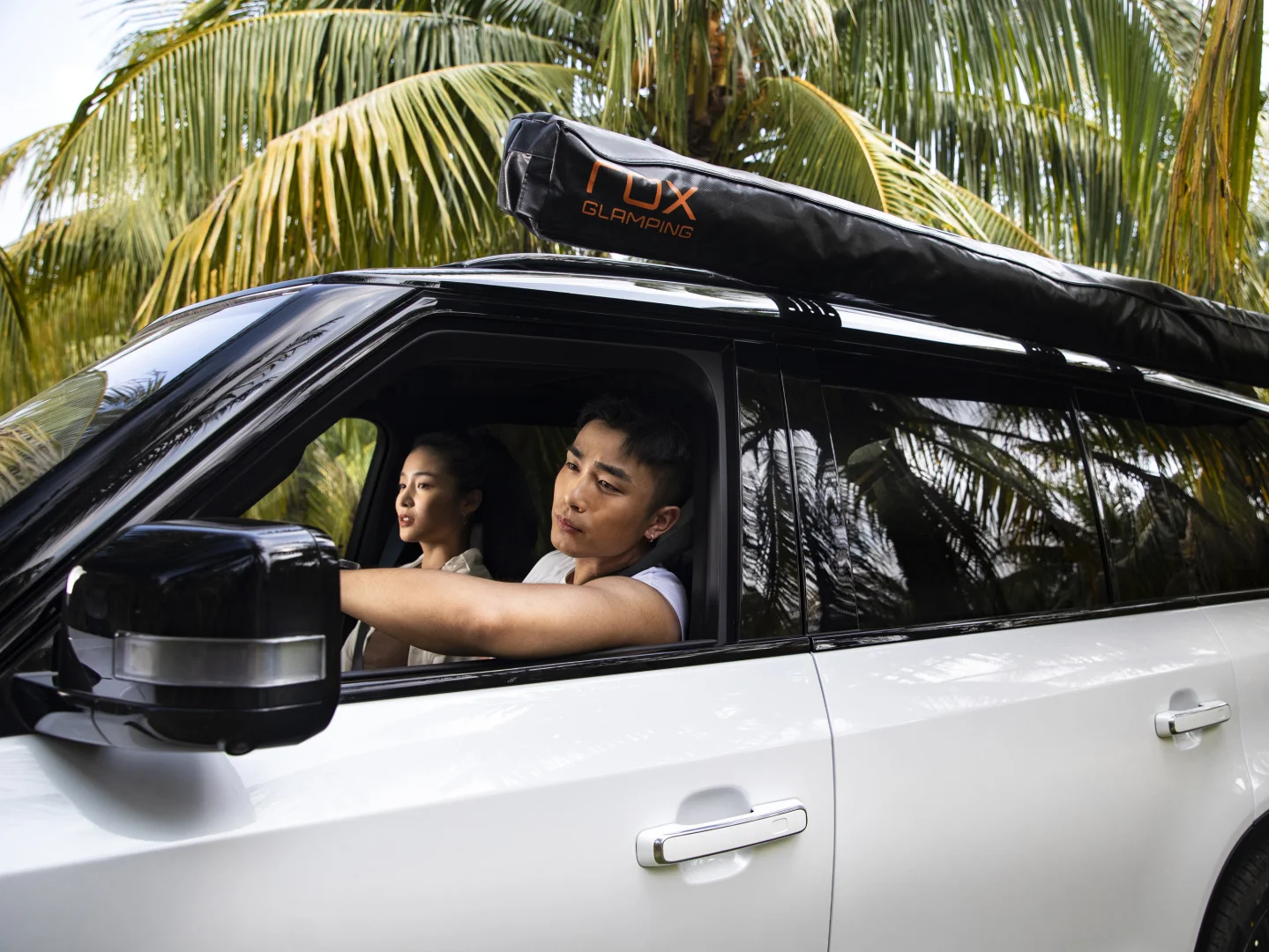
Identify the power function on the offered vehicle
Ask the supplier to identify the version and the specific external-power function being proposed. Terms such as camping power and vehicle-to-load, or V2L, are sometimes used loosely in advertisements. Request the relevant vehicle instructions and equipment description rather than infer capability from an outlet visible in an unrelated promotional image.
The accessory purchasing checklist helps separate the vehicle itself from optional equipment. Record whether the offer includes the required accessory, whether it is an approved match for the identified vehicle and what remains to be obtained. An incomplete equipment package should not be described as ready for the customer's intended electrical use.
List appliance requirements before discussing capacity
Write down each appliance and its labelled electrical requirements, including any information about starting demand. Describe which devices may run together and for how long. A kettle used briefly and a refrigerator operating intermittently create different planning questions, even when both appear on the same camping list supplied to the seller.
Ask a qualified provider to assess compatibility against the applicable vehicle and equipment instructions. A simple sum of labelled running watts may not capture starting behaviour or all operating restrictions. The purchase enquiry should request a supported combination rather than assume every household appliance works from any vehicle power outlet or adapter with a similar connector.
Distinguish instantaneous power from energy used over time
Power and energy answer different questions. As an arithmetic example only, a constant 500-watt load operating for two hours uses one kilowatt-hour before any additional system losses. This is not a statement of ROX 01 output capability, usable battery energy or the operating duration available from a particular state of charge.
Use the calculation to describe the customer's demand, then ask the provider to confirm whether the actual setup can support it. Intermittent use and equipment behaviour can change consumption. Avoid converting a brochure battery figure directly into guaranteed camping hours without accounting for the vehicle's operating rules, reserve requirements and the conditions of the planned trip.
Check equipment identity and condition
For supplied cables or accessories, request readable identification, photographs and a condition check. Establish whether an item is part of the vehicle offer or a separate purchase, and retain its applicable instructions. A photograph showing that a plug physically fits is insufficient evidence that the equipment is suitable for the proposed electrical function.
The charging-equipment review addresses another part of the ownership setup, but charging and external power should be recorded separately. Do not assume an accessory supplied for one purpose performs the other. Keep the included-item list precise so the receiving customer can distinguish charging equipment, external-power equipment and anything still requiring an approved procurement route.
Request an appropriate demonstration with clear conditions
A useful demonstration identifies the vehicle, accessory and connected load, and records whether the requested operation was completed under the stated conditions. Ask the provider to follow the applicable instructions and explain any limits. A brief successful demonstration with one device does not establish compatibility with every appliance on the buyer's list.
Do not request improvised wiring or a connection to building circuits as proof of camping capability. The decision needed here is whether the documented portable setup meets the intended use. Any installation question beyond that scope requires the appropriate qualified assessment, with the customer receiving a clear explanation rather than an informal assurance based on connector shape.
Preserve journey reserve and storage space
Describe where the vehicle will travel after the equipment is used and what replenishment options are available. The supplier should explain applicable restrictions and reserve behaviour for the offered version. Treat a planned outdoor load as another demand on the trip, rather than allocate the entire advertised battery capacity to accessories and assume the onward journey is unaffected.
Equipment also occupies physical space. The third-row luggage fit checks are useful when passengers, bags and outdoor accessories travel together. Record where the supplied items will be carried and how they can be stored appropriately. An attractive campsite arrangement should translate into a workable transport arrangement for the customer's actual passenger count.
Put the agreed camping package into the offer
Send Panda the intended use, appliance list, duration and any essential equipment requirements. Request confirmation of the actual capability and included accessories, with unresolved compatibility questions listed separately. This makes the quotation more useful than a broad request for a camping specification whose meaning differs between suppliers and markets.
Before acceptance, compare the final vehicle and equipment list with the documented requirements. Preserve the instructions, relevant demonstration and any stated limitations for the receiving customer. If the vehicle or accessory changes, reconfirm compatibility; evidence for an earlier combination should not silently become an assurance for a different setup supplied at handover.
BRING TO YOUR ENQUIRY
Three useful starting points.
- Offered vehicle version and verified external-power capability
- Appliance requirements and intended duration of use
- Included accessories, applicable instructions and demonstration scope